Edit Character Reference Letter Templates Online for Free
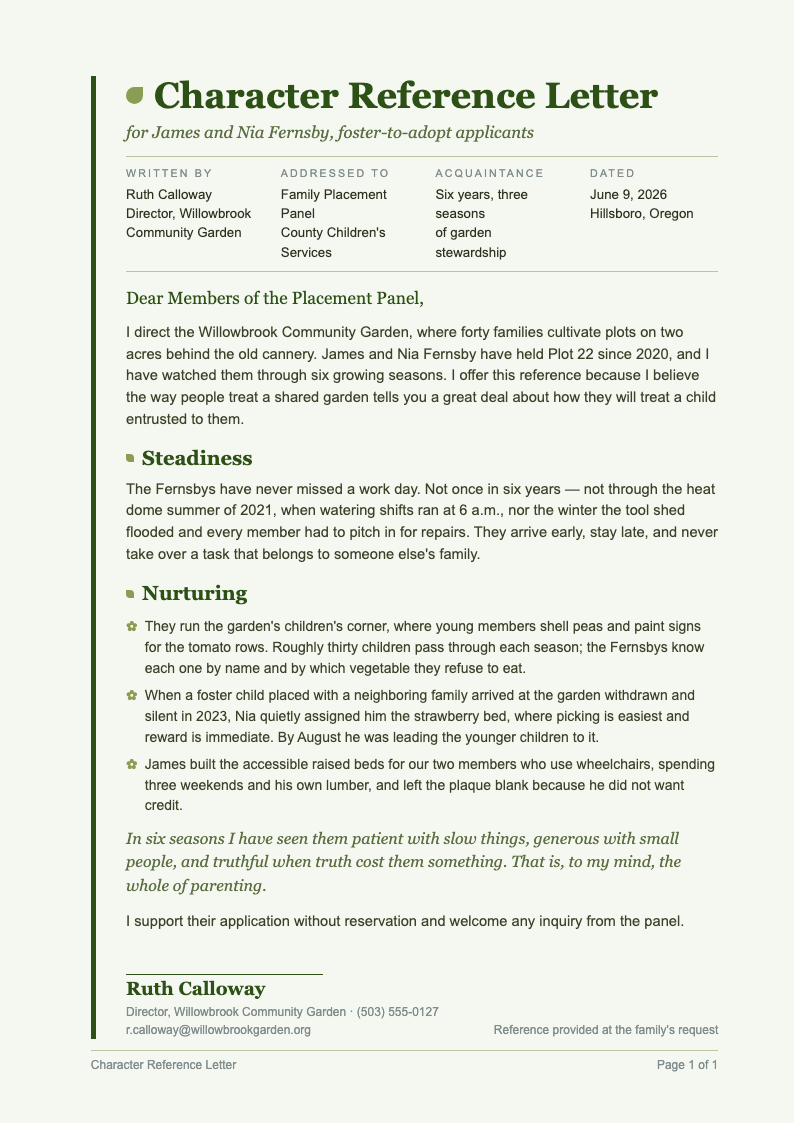
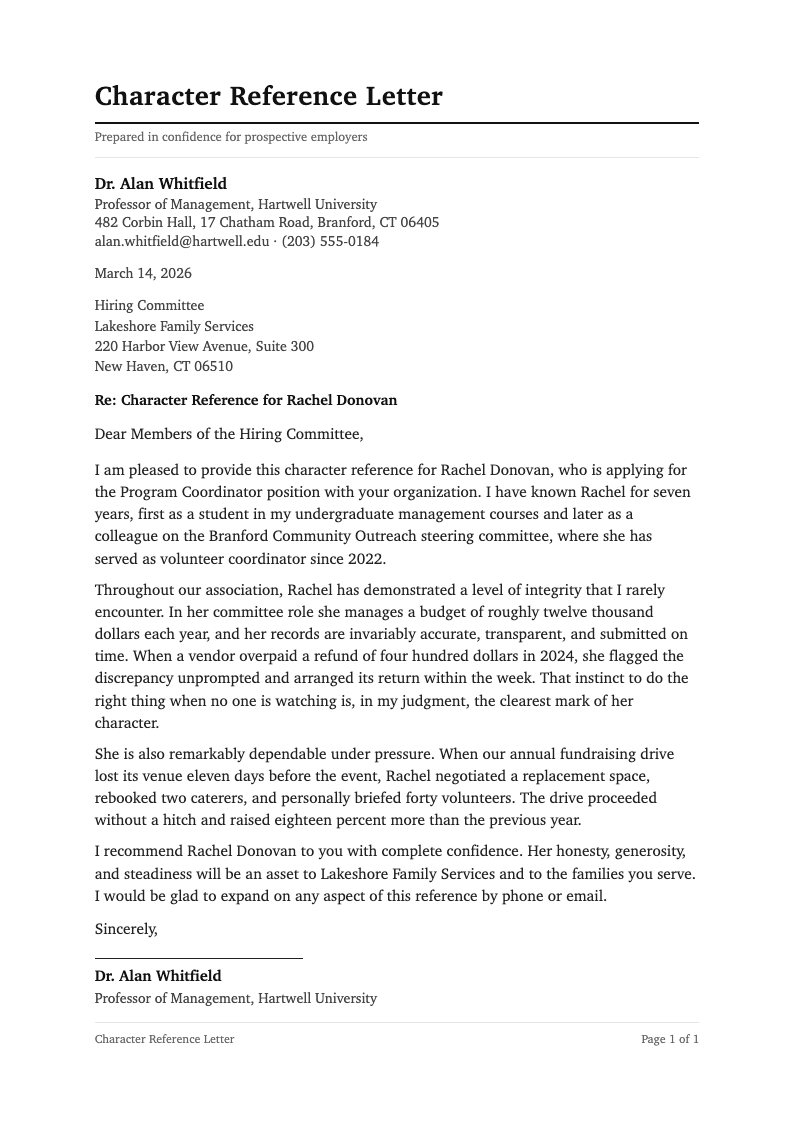
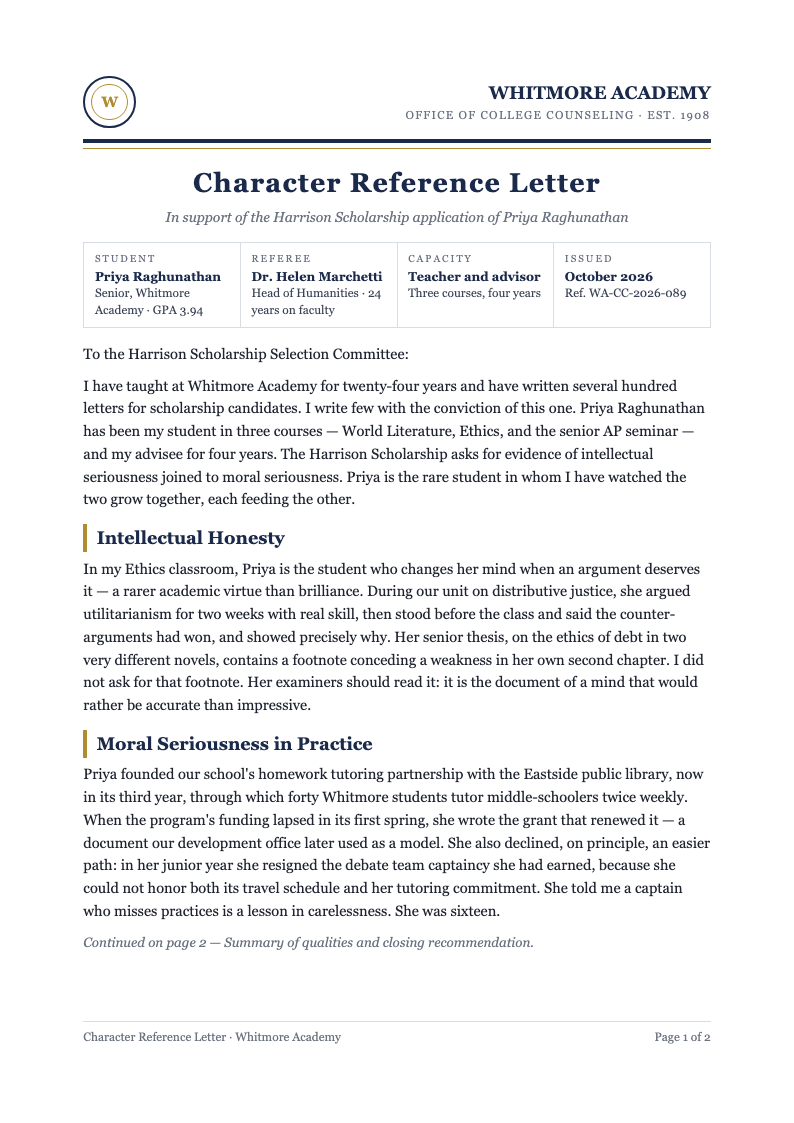
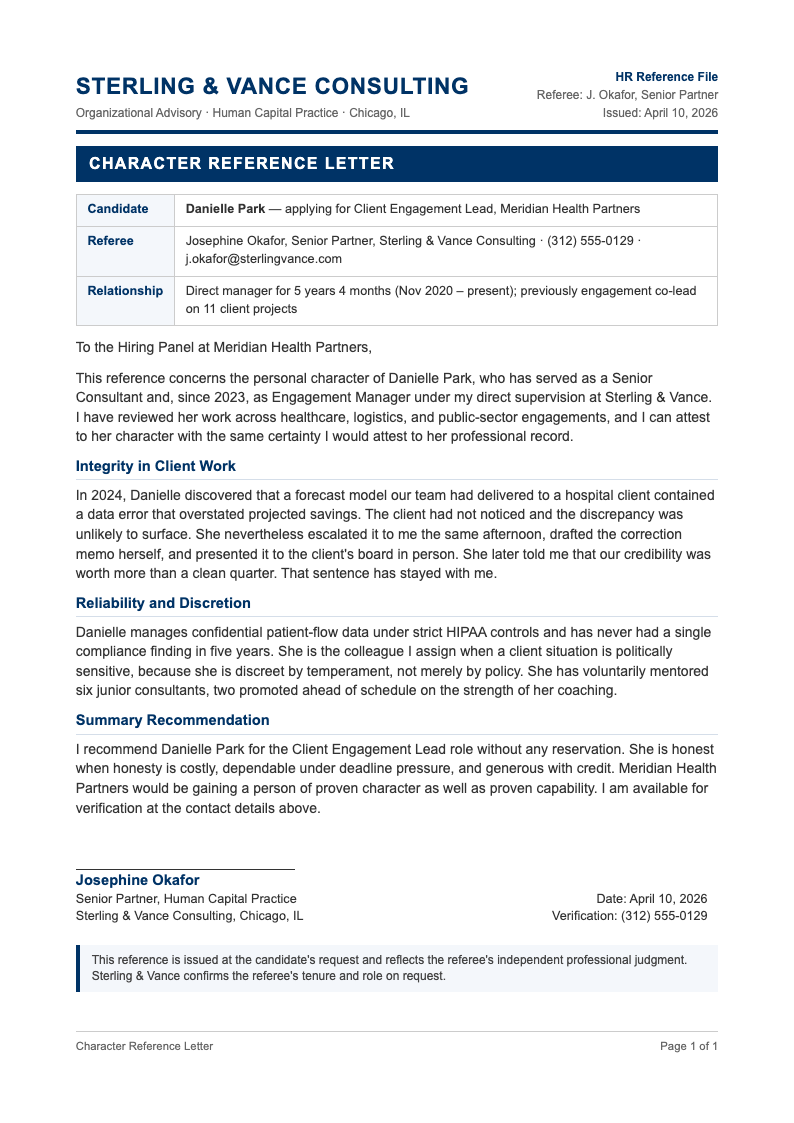
Write a compelling testimonial with AI Formatter's collection of Character Reference Letter templates. Edit online or download for Word to support a friend or colleague effectively.
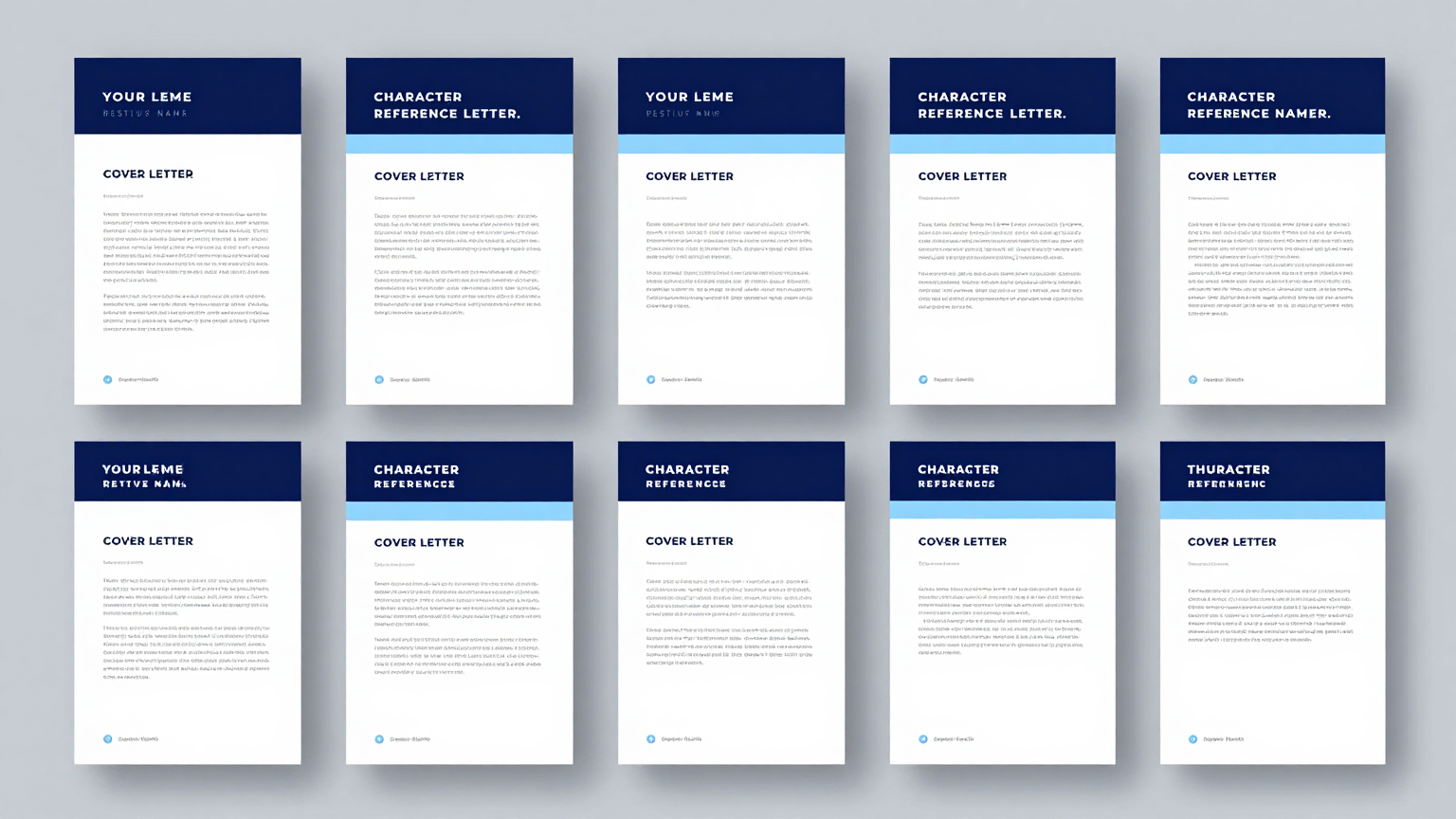
Showing 20 of 30 templates
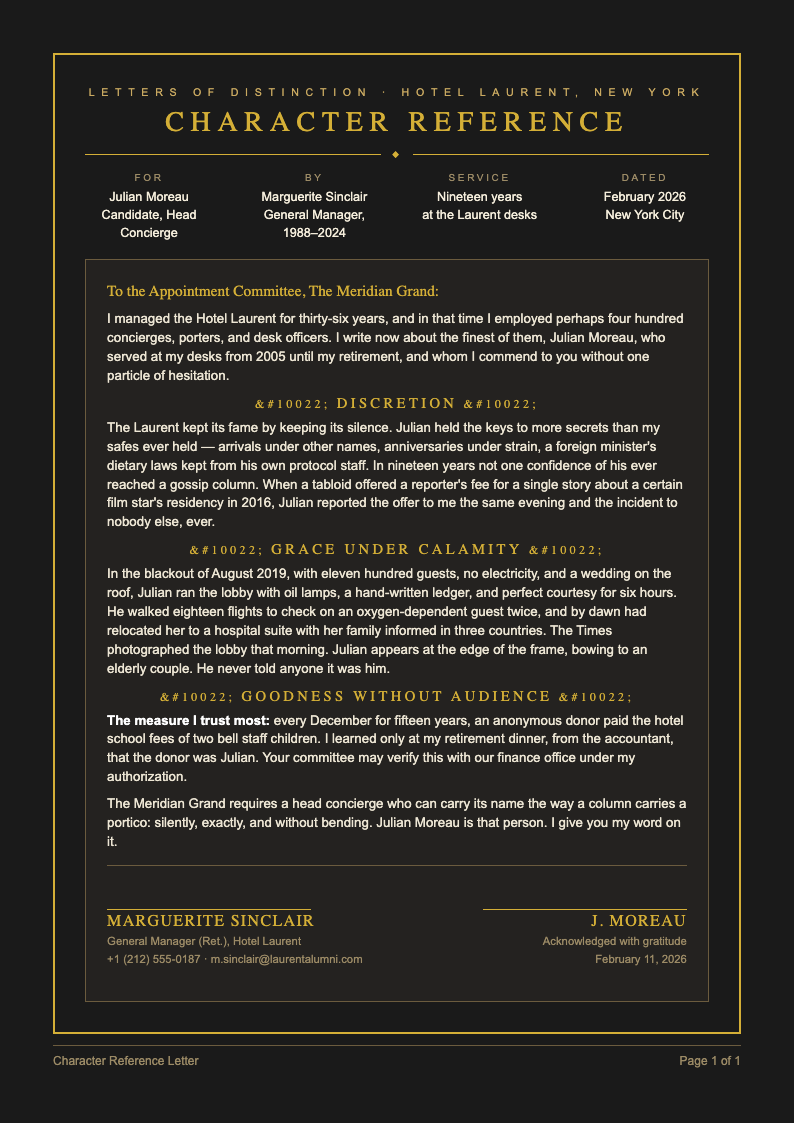
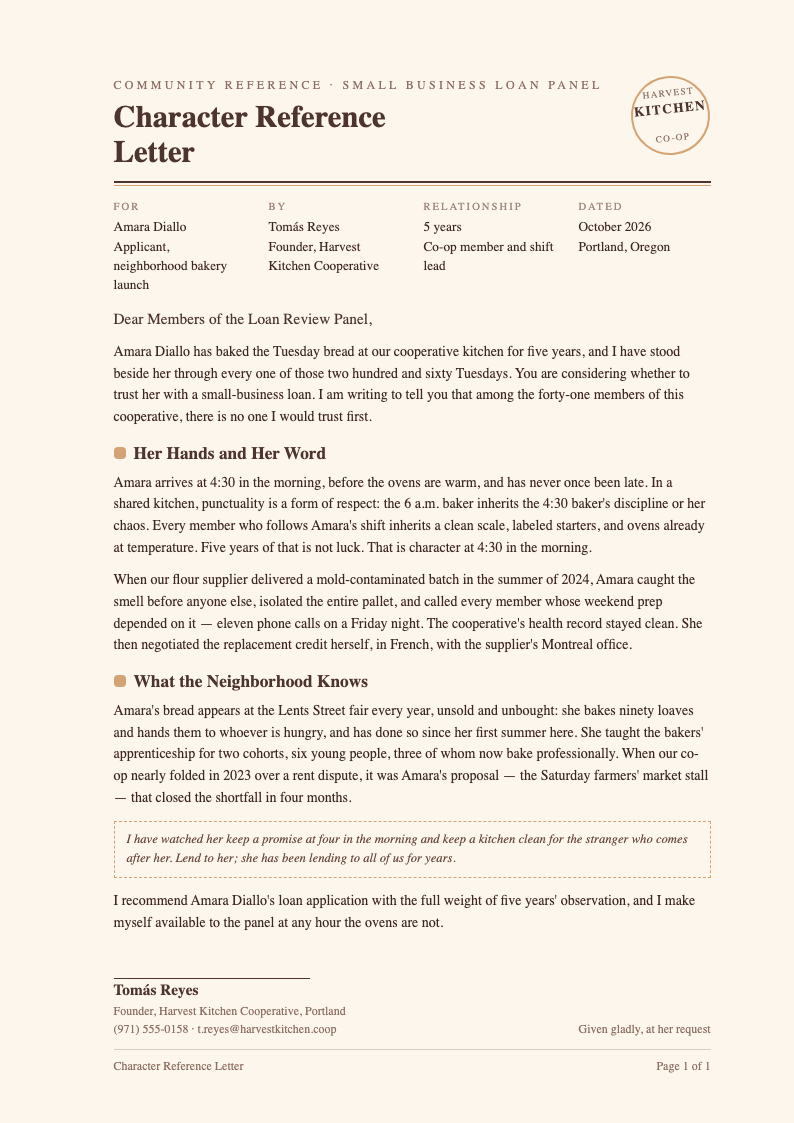
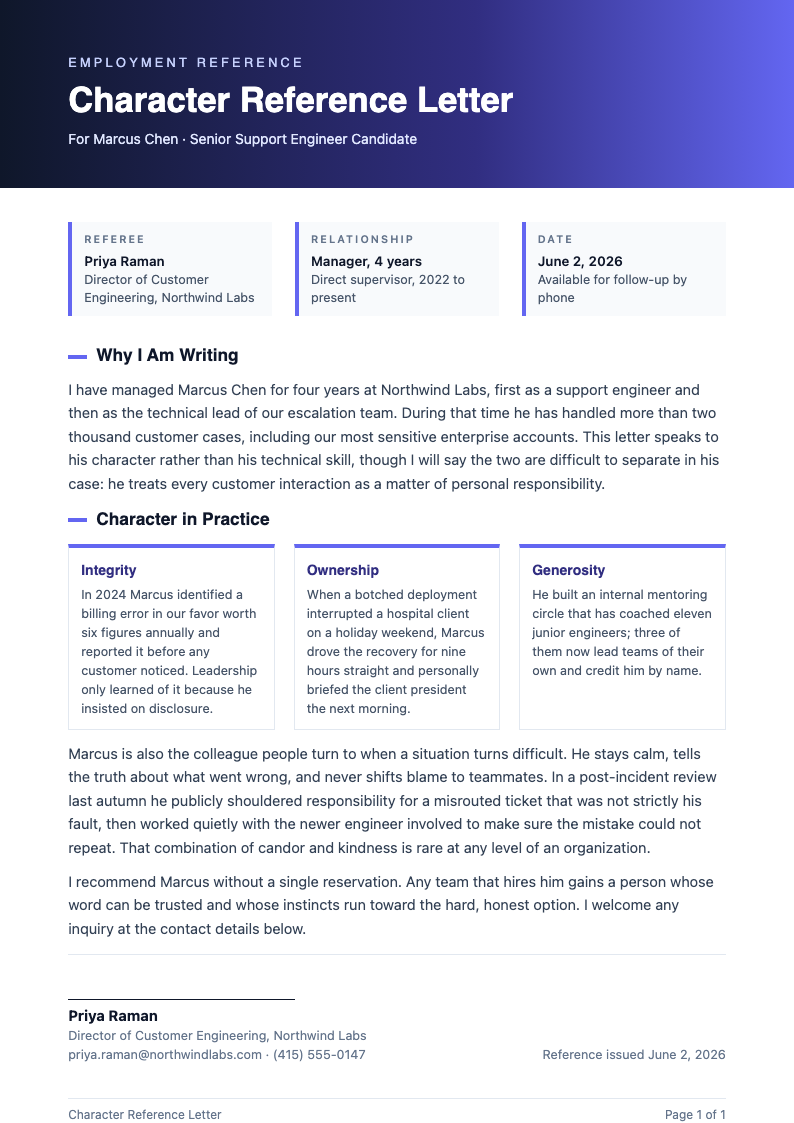
Frequently Asked Questions About Our Templates
Common questions about writing and using character reference letters.
- Are these Character Reference Letter templates free?
- Yes, all our Character Reference Letter templates are 100% free to download and use. We provide them to help you write effective testimonials without the stress of starting from scratch. You can access our professionally designed templates at no cost and customize them for your specific needs. There are no hidden fees, no subscription requirements, and no limits on how many templates you can download. This commitment to free access ensures everyone can create professional reference letters regardless of budget.
- What is a character reference letter used for?
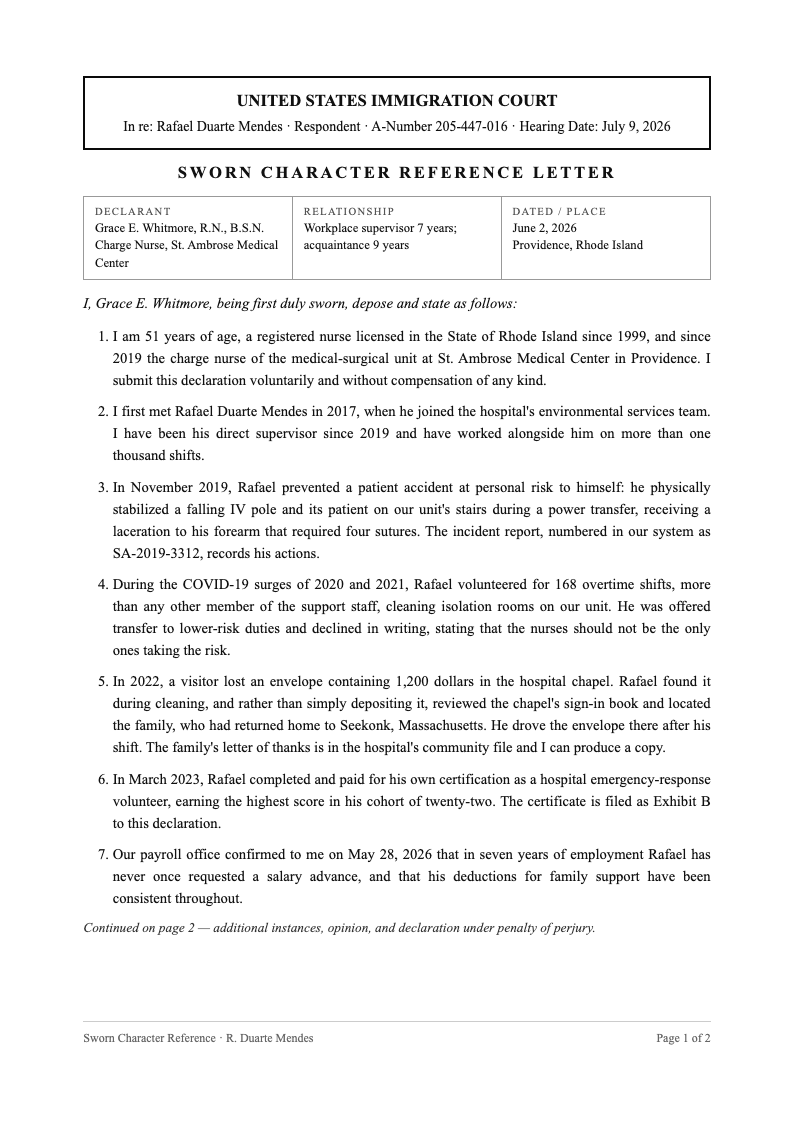
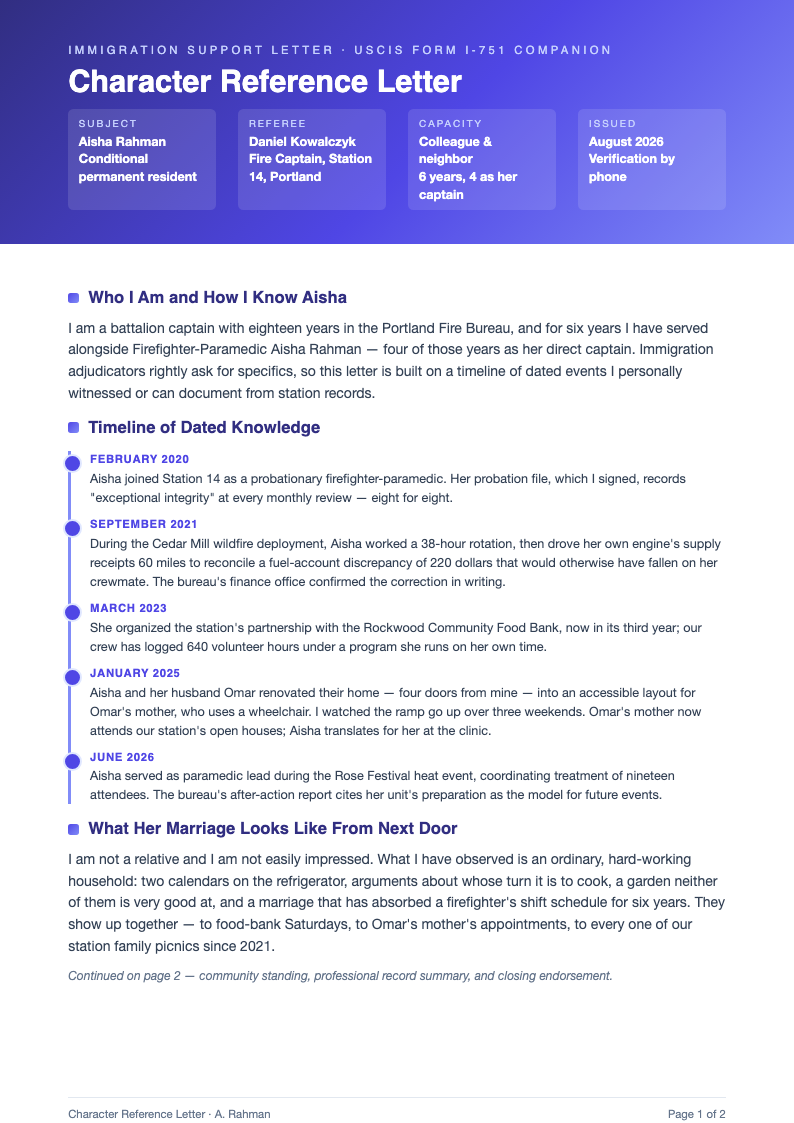
- A character reference letter is often used for job applications, court proceedings, immigration cases, or housing applications. It attests to a person personal qualities, reliability, and moral character rather than just their professional skills. These letters can make a significant difference in important decisions by providing insight into aspects of a person character that resumes and work histories cannot capture. Judges, employers, and immigration officials value these personal testimonials.
- Can I edit the templates in Microsoft Word?
- Yes, our templates are provided in .docx format. You can easily open them in Microsoft Word, Google Docs, or any other word processor to customize the specific details and anecdotes. This flexibility ensures you can personalize each letter to perfectly match your situation. The .docx format is universally compatible and preserves all formatting. You can also save your work as you go and come back to edit later, ensuring your reference letter is polished and complete.
- Who should write a character reference letter?
- Ideally, it should be written by someone who has known the subject for a significant period, such as a family friend, mentor, coach, or former colleague, who can speak honestly about their character. The writer should be someone credible whose opinion will be respected by the recipient. Employers, courts, and immigration officials give more weight to references from professionals, community leaders, or long-term acquaintances than from recent or casual contacts. Choose someone who can provide specific examples of the person qualities.
- How long should the letter be?
- Include your relationship to the person, how long you have known them, specific examples of their positive qualities, and your overall assessment of their character. Be honest and focus on traits that are relevant to the purpose of the letter. For job references, highlight work ethic, reliability, and teamwork. For court references, emphasize responsibility, community contributions, and remorse if applicable. For immigration, focus on moral character, family ties, and community involvement. Specific anecdotes are more powerful than general statements.
- What information should be included in a character reference?
- Include your relationship to the person, how long you have known them, specific examples of their positive qualities, and your overall assessment of their character. Be honest and focus on traits that are relevant to the purpose of the letter. For job references, highlight work ethic, reliability, and teamwork. For court references, emphasize responsibility, community contributions, and remorse if applicable. For immigration, focus on moral character, family ties, and community involvement. Specific anecdotes are more powerful than general statements.
- Can I use the same template for different purposes?
- If you cannot write a positive reference, it is better to decline the request politely. A character reference should be honest but focus on strengths. If you must mention concerns, do so constructively and in the context of overall positive assessment. You might say something like, While John has faced some challenges, I have seen him working diligently to overcome them and grow. However, if your reference would be predominantly negative, it is fair to the person to find someone else who can speak more favorably about their character. A neutral or negative reference can harm rather than help.
- How should I format a character reference letter?
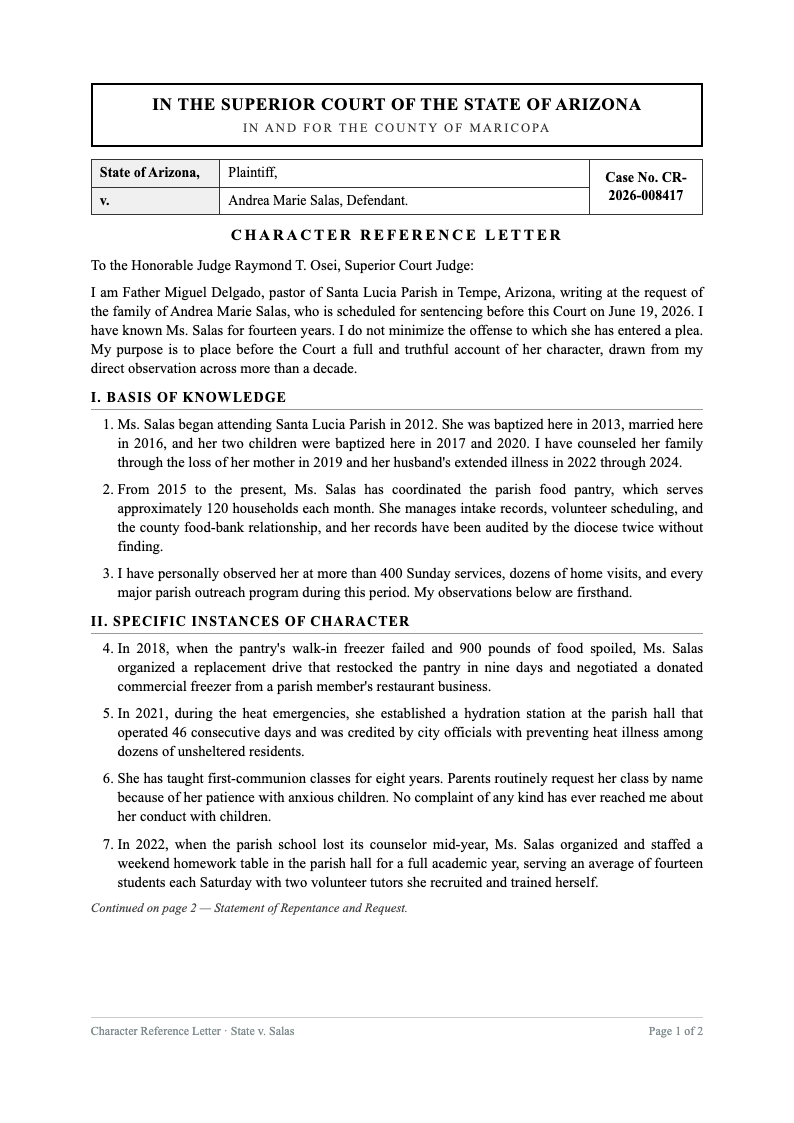
- For court references, address the letter to The Presiding Judge or Your Honor. Include the case number and court name if known. Maintain a formal tone and focus on the person responsibility, remorse if applicable, and positive contributions to society. Court references carry significant weight, so take the time to write a thoughtful, detailed letter. Explain how you know the defendant and provide context about their character that the judge would not otherwise know. Avoid minimizing any offenses, but do emphasize rehabilitation, family responsibilities, and community ties. The goal is to provide a fuller picture of the person as an individual.
- What makes a character reference letter effective?
- If you cannot write a positive reference, it is better to decline the request politely. A character reference should be honest but focus on strengths. If you must mention concerns, do so constructively and in the context of overall positive assessment. You might say something like, While John has faced some challenges, I have seen him working diligently to overcome them and grow. However, if your reference would be predominantly negative, it is fair to the person to find someone else who can speak more favorably about their character.
- Can a character reference letter be negative?
- An employment reference focuses on job performance, skills, and work history. A character reference speaks to personal qualities like integrity, kindness, and reliability outside of work. Character references are more personal and come from people who know you in different contexts. While an employment reference might come from a supervisor or coworker, a character reference might come from a mentor, volunteer coordinator, or long-term friend. Both types can be valuable depending on the situation, but they serve different purposes in highlighting different aspects of a person qualifications and character.
- Should I include my contact information?
- For court references, address the letter to The Presiding Judge or Your Honor. Include the case number and court name if known. Maintain a formal tone and focus on the person responsibility, remorse if applicable, and positive contributions to society. Court references carry significant weight, so take the time to write a thoughtful, detailed letter. Explain how you know the defendant and provide context about their character that the judge would not otherwise know. Avoid minimizing any offenses, but do emphasize rehabilitation, family responsibilities, and community ties.
- How do I address a character reference letter for court?
- An employment reference focuses on job performance, skills, and work history. A character reference speaks to personal qualities like integrity, kindness, and reliability outside of work. Character references are more personal and come from people who know you in different contexts. While an employment reference might come from a supervisor or coworker, a character reference might come from a mentor, volunteer coordinator, or long-term friend. Both types can be valuable depending on the situation, but they serve different purposes in highlighting different aspects of a person.
- What is the difference between character and employment reference?
- While possible, references from family members may be viewed as less objective because of personal bias. It is generally better to ask someone outside your immediate family who can still speak knowledgeably about your character. Family members have a natural interest in your success, so their praise may be seen as less credible. However, in some situations like immigration cases, family references can be valuable for demonstrating personal relationships and family ties. If you do use a family member, ensure they can still provide specific, objective examples.
- Can I write a character reference for a family member?
- Ideally, you should have an ongoing relationship or have known the person recently. However, long-term relationships also carry weight. The most important factor is that you can speak knowledgeably and honestly about their current character. Someone who knew you twenty years ago but lost touch may not be the best choice. On the other hand, a former teacher who stayed in contact or a long-time family friend can provide excellent references. The writer should be able to speak to who the person is today, not just who they were in the past.
- How recent should my relationship be with the person?
- Ideally, you should have an ongoing relationship or have known the person recently. However, long-term relationships also carry weight. The most important factor is that you can speak knowledgeably and honestly about their current character. Someone who knew you twenty years ago but lost touch may not be the best choice. On the other hand, a former teacher who stayed in contact or a long-time family friend can provide excellent references. The writer should be able to speak to who the person is today, not just who they were in the past. Recent interactions demonstrate current character and behavior patterns.
Help Someone Succeed
Download a professional template today and write a powerful character reference that makes a difference.
Free templates • AI-powered editing • No sign-up required