Edit Risk Plan Templates Online for Free
Protect your projects with AI Formatter's collection of professional Risk Plan Templates. Edit online or download to create comprehensive risk management strategies using these templates for maximum effectiveness of your templates.
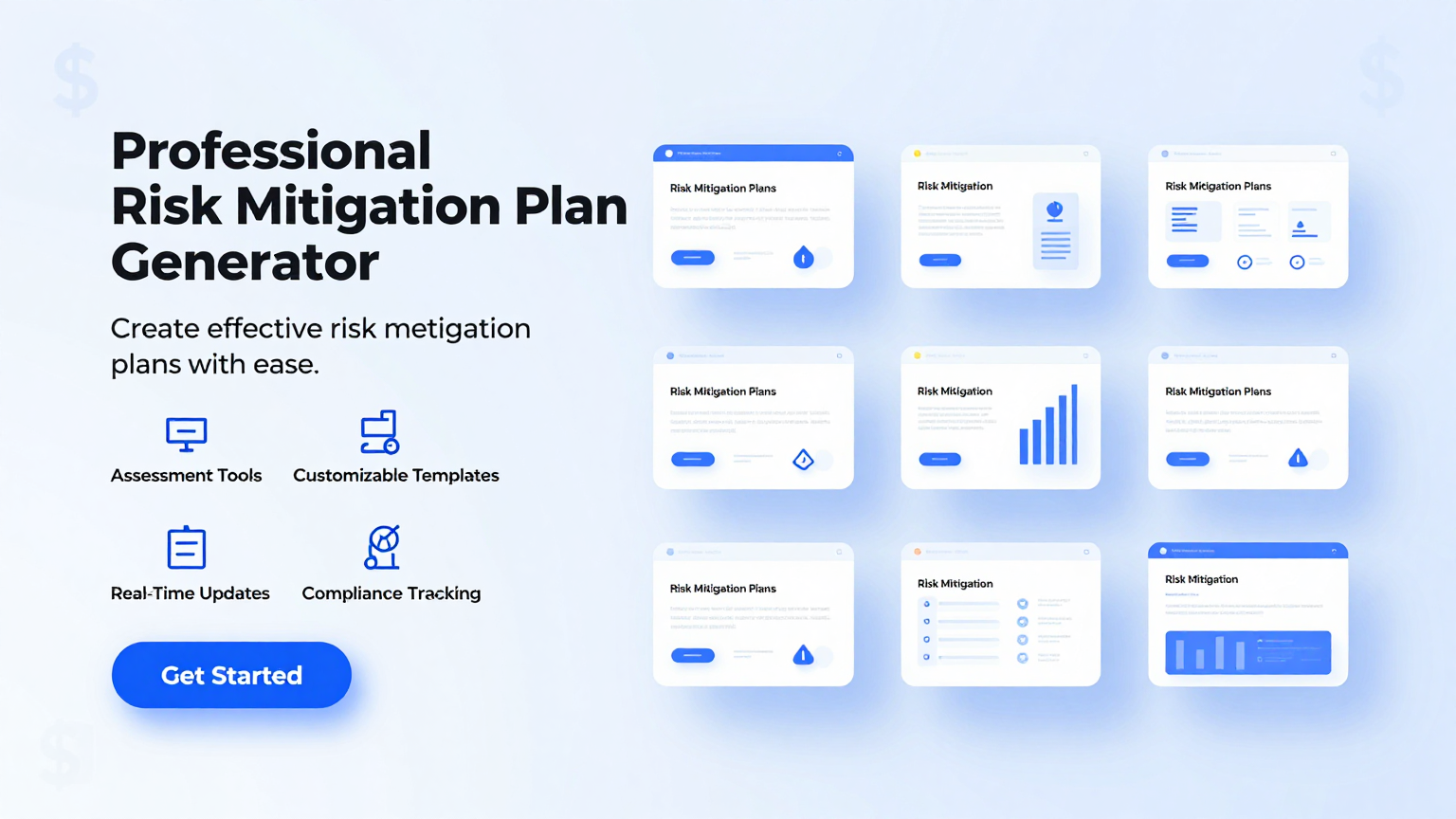
Showing 12 of 32 templates
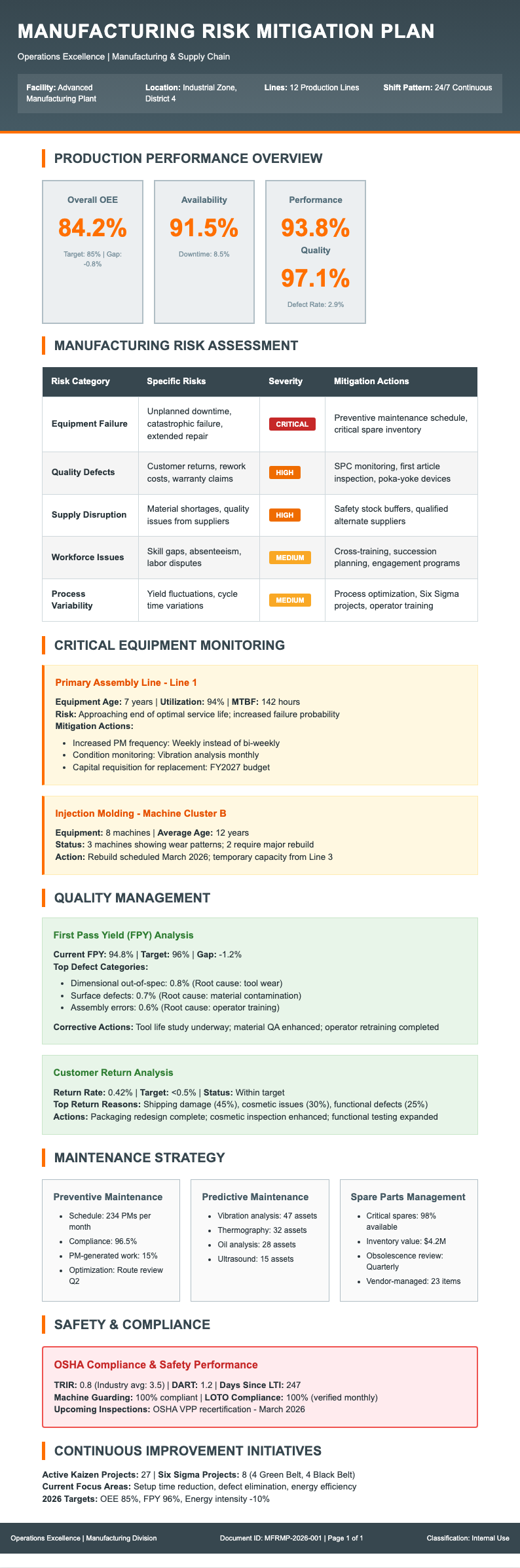
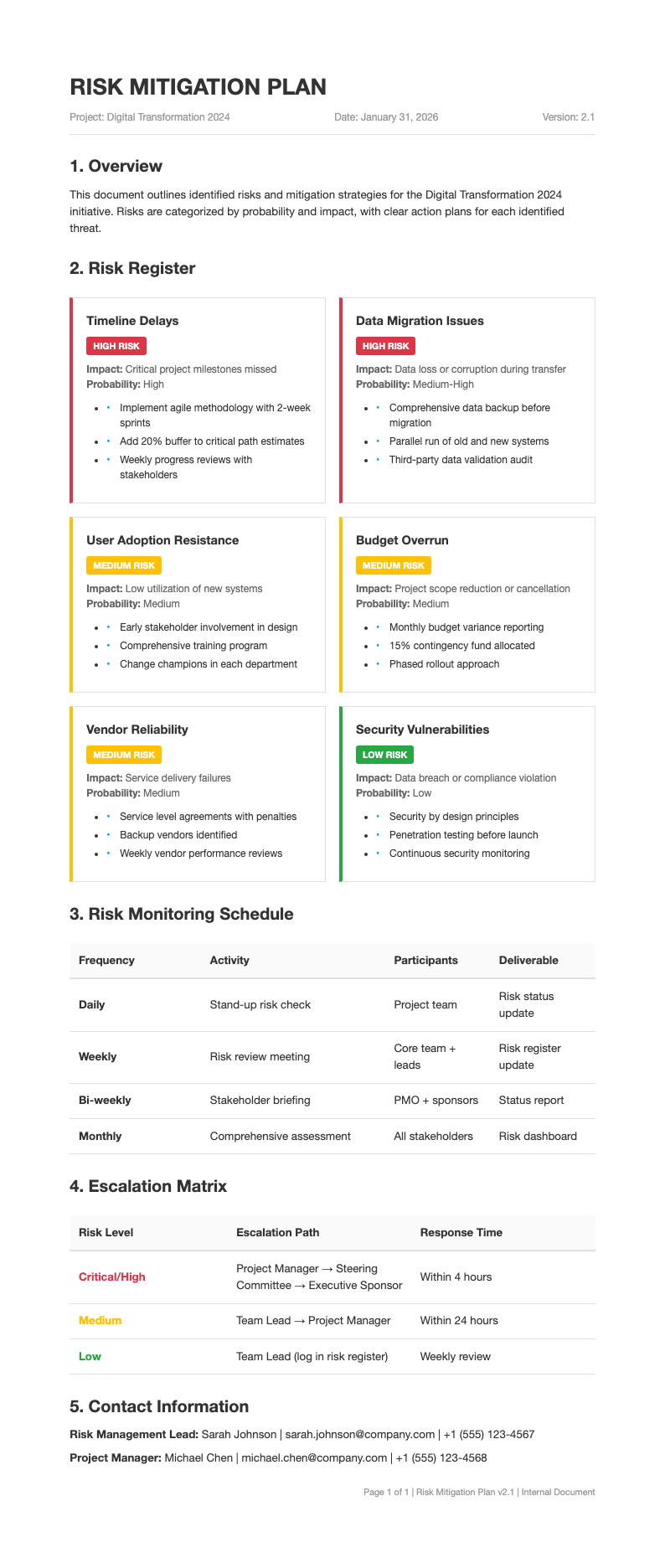
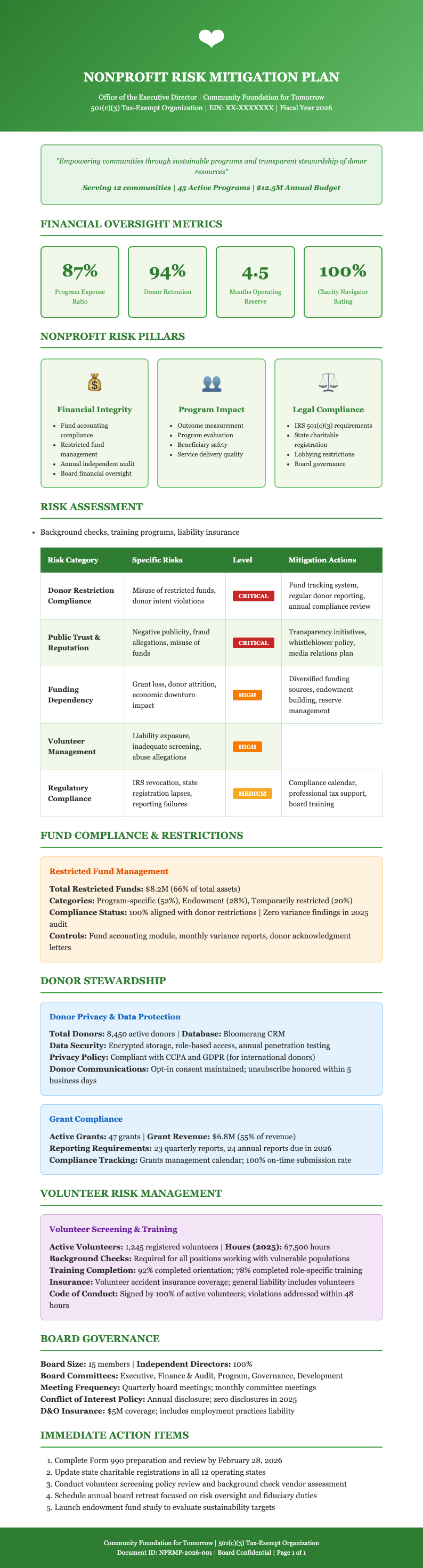
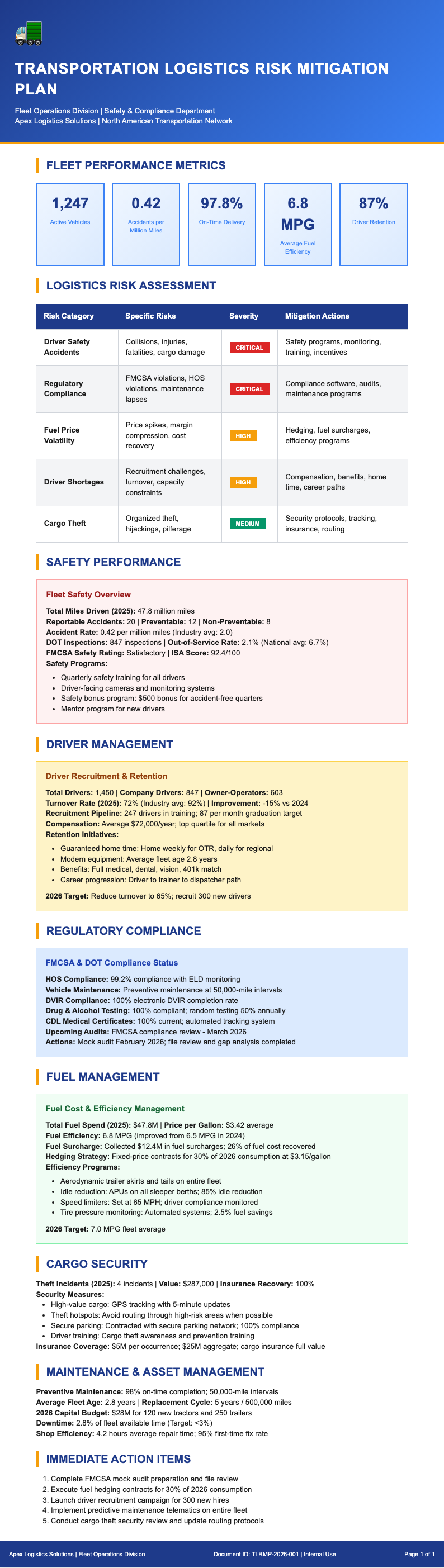
Frequently Asked Questions About Risk Mitigation Plan Templates
Common questions about using our risk mitigation plan templates for your projects and business needs. These professional methodologies ensure that your documentation meets industry standards while maintaining clarity and usability throughout your organization.
- Are these templates free to use?
- Yes, all risk plan template files are completely free to download, edit, and use for your risk management needs. There are no hidden fees, subscriptions, or required sign-ups. You can access and customize any template directly through AI Formatter for your projects. These templates provide excellent value.
- What should a template include?
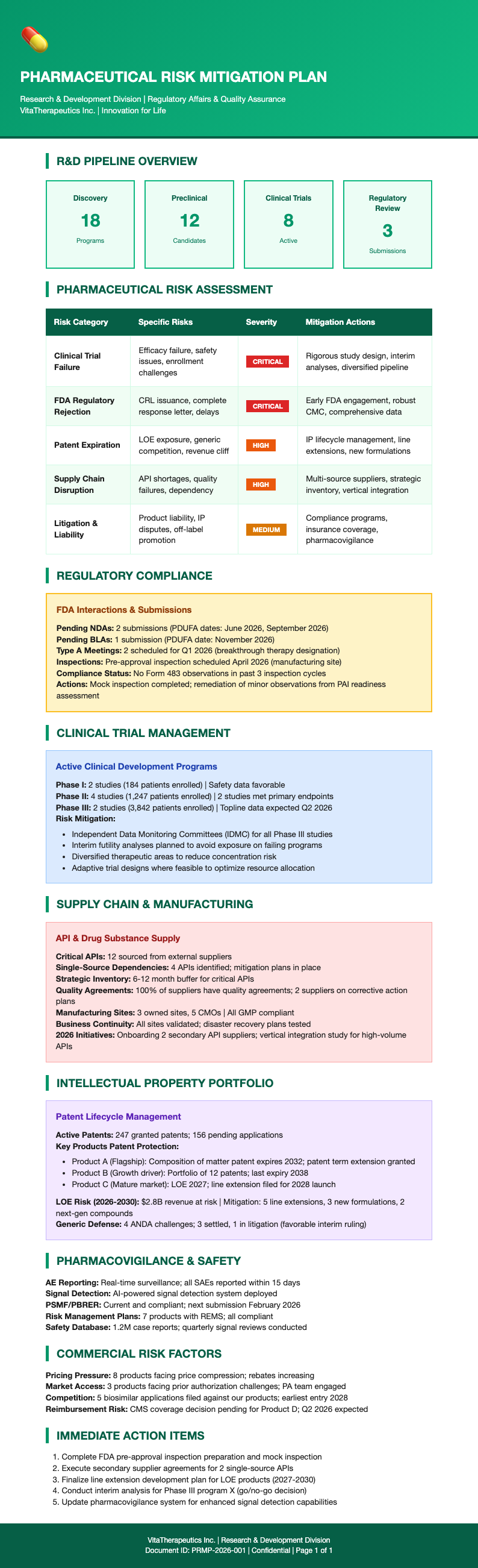
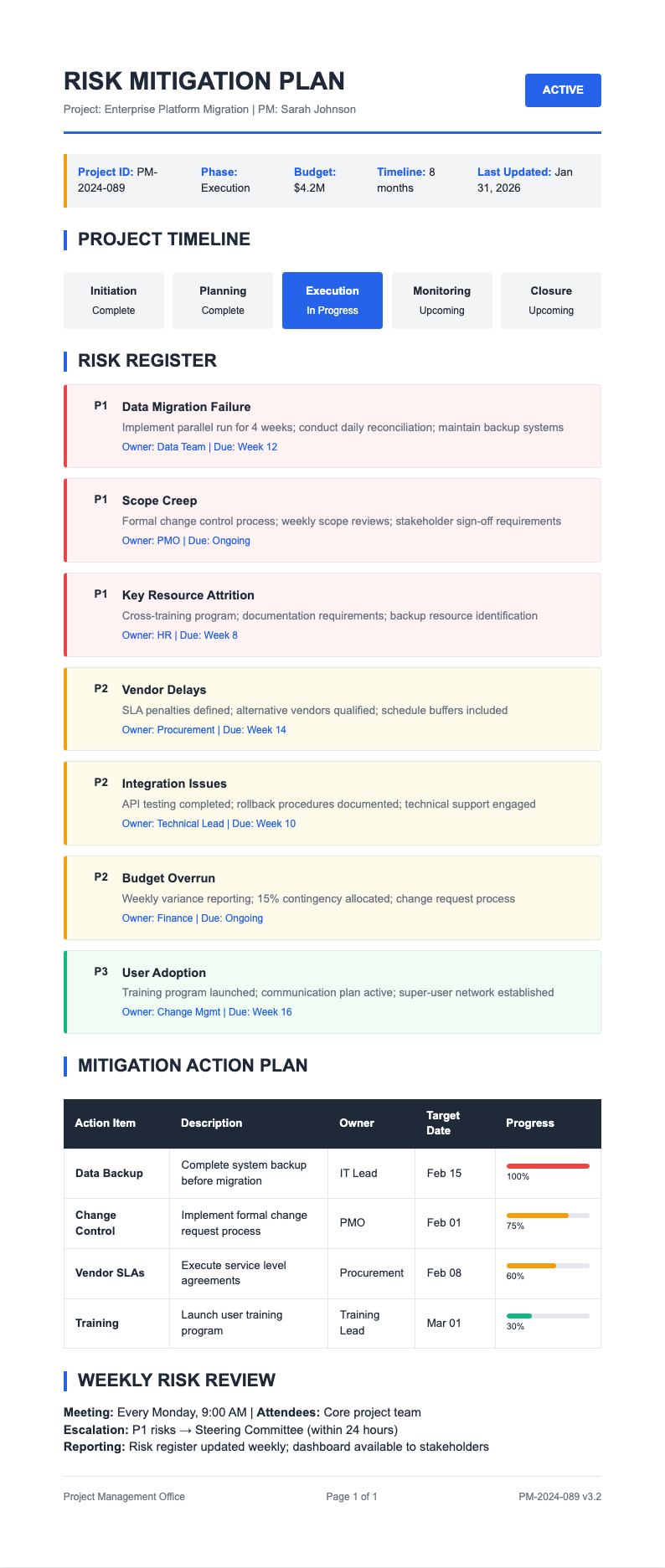
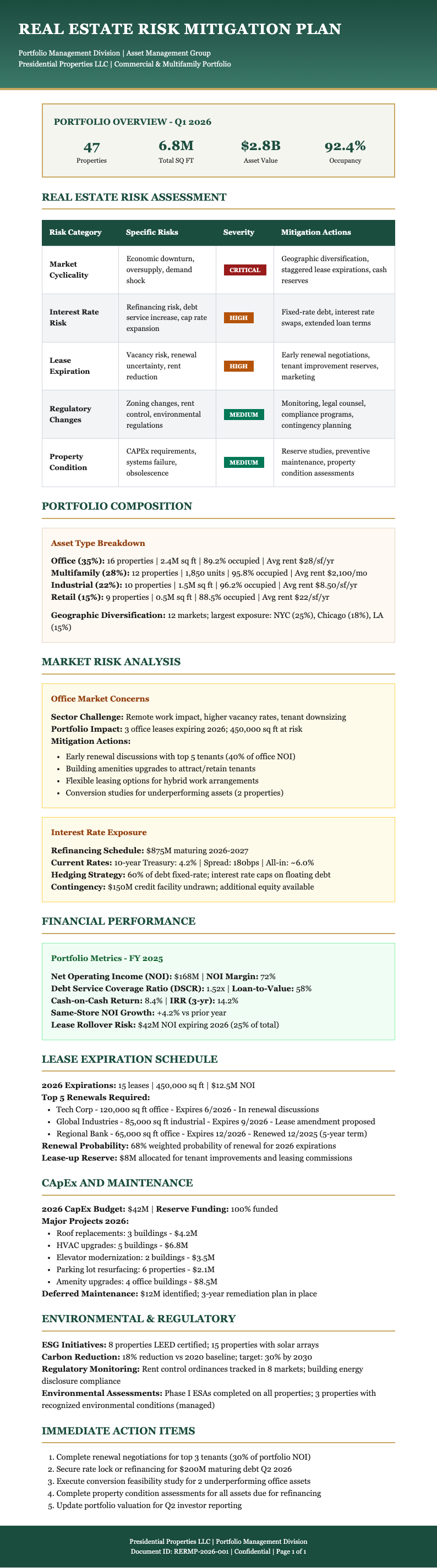
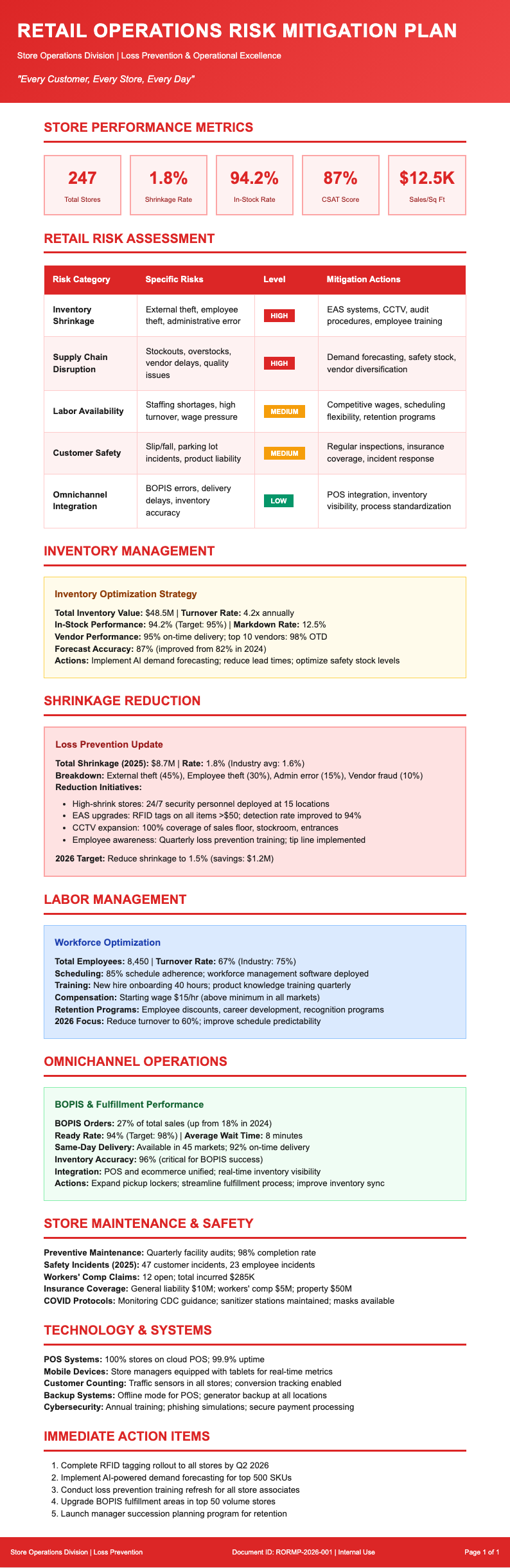
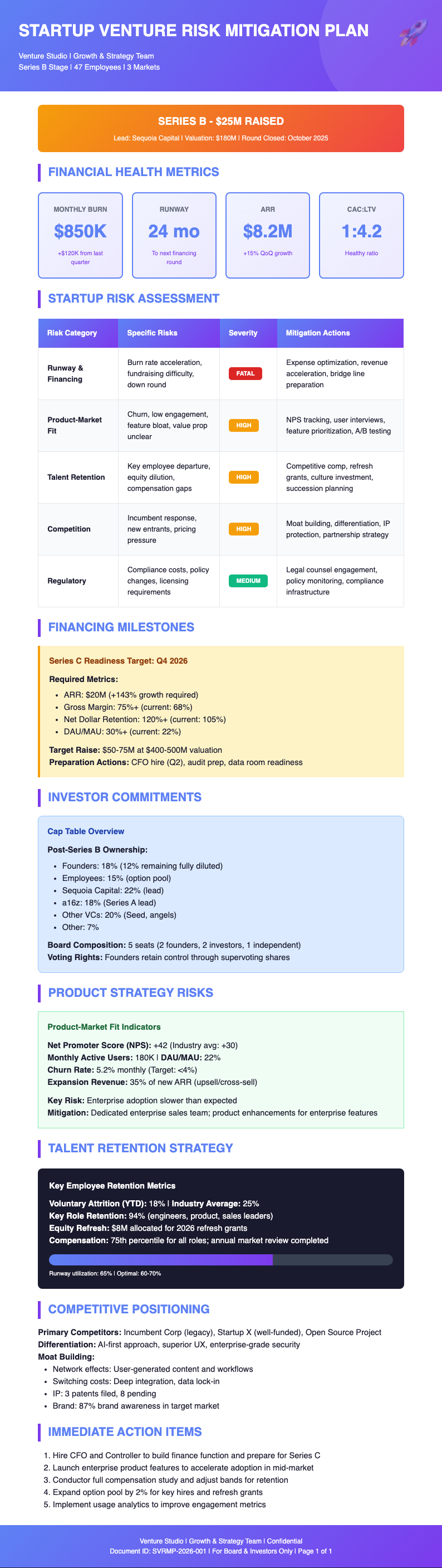
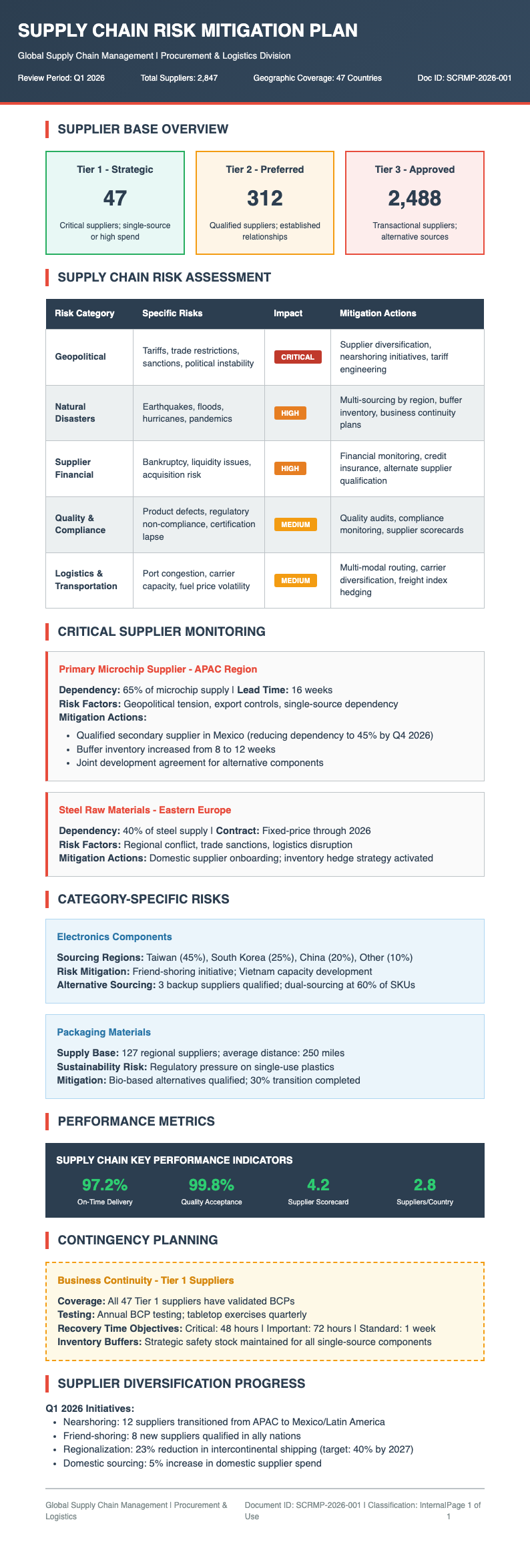
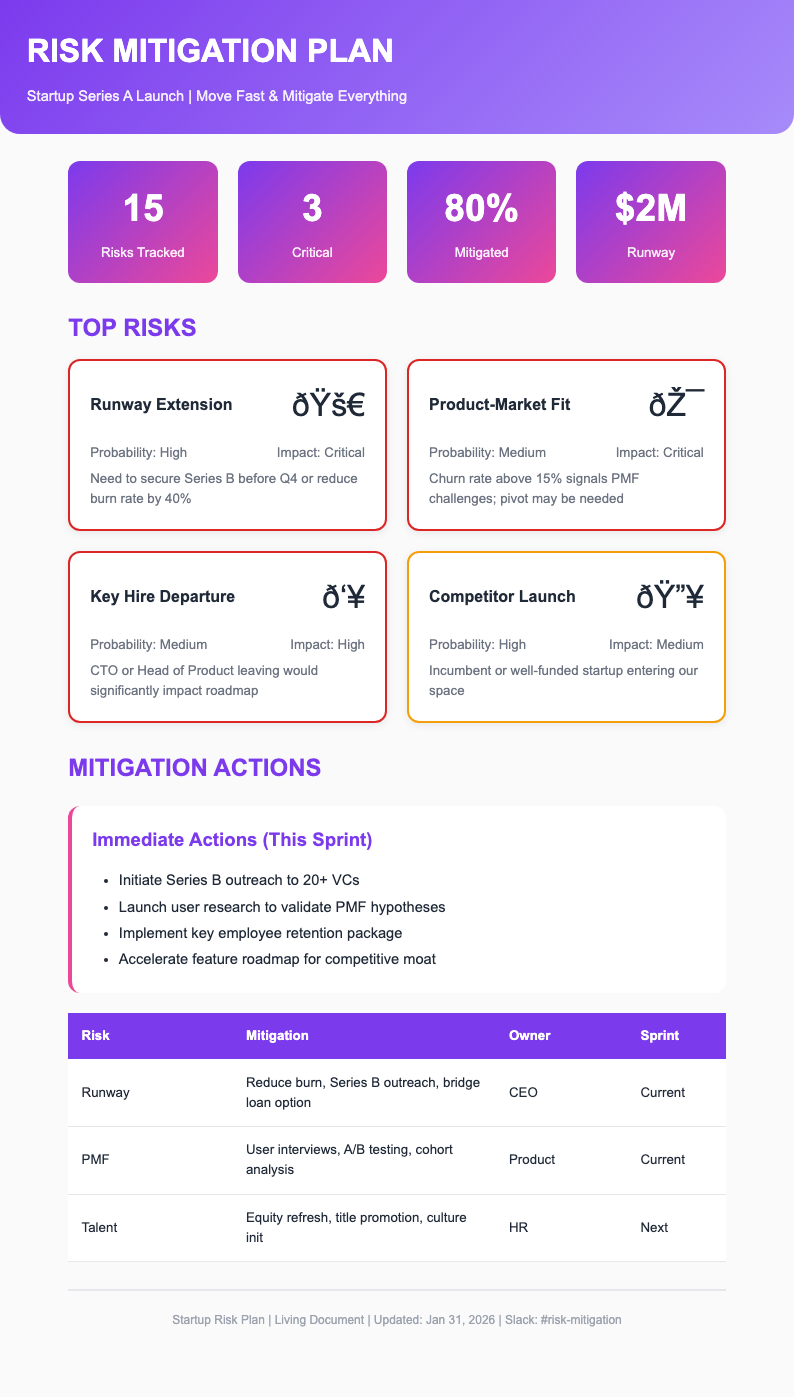
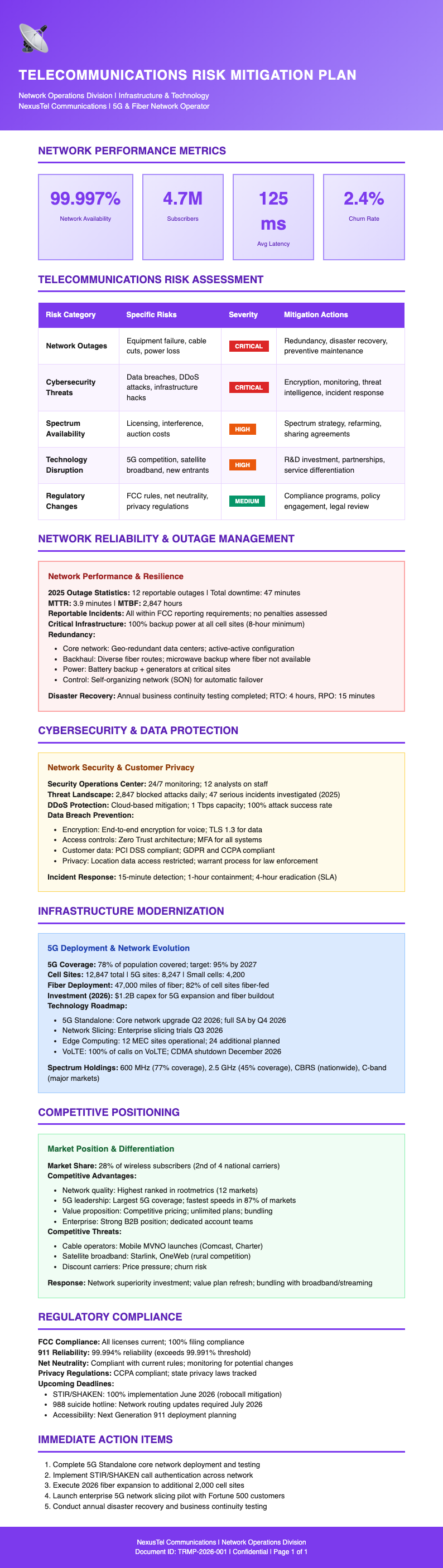
- A comprehensive risk plan template should include risk identification, risk assessment and prioritization, probability and impact analysis, mitigation strategies, contingency plans, responsible parties, timelines, and monitoring procedures. Our templates ensure you capture all essential elements for effective risk management and successful project outcomes. Professional templates provide complete frameworks for risk management excellence.
- How do I customize a template?
- You can customize any risk plan template by adding your specific risks, adjusting assessment criteria, and tailoring mitigation strategies to your organizational context. The risk plan template format allows you to include industry-specific risks and organizational considerations. Using our tools, you can create tailored template documents for your specific needs. Customizable templates adapt to your requirements perfectly.
- Can I use these templates for different industries?
- Absolutely. Our Risk Plan Templates work for various industries including construction, healthcare, finance, technology, manufacturing, and project management. The risk plan template structure adapts to different risk environments and regulatory requirements. You can modify each risk plan template document for your specific industry needs. Risk mitigation plan templates provide excellent flexibility across sectors. Versatile templates serve diverse industries effectively.
- How often should I update my template?
- Risk plan templates should be reviewed and updated regularly or when new risks emerge, mitigation strategies prove ineffective, or project conditions change significantly. Using a template makes it easy to maintain current risk assessments. Regular updates ensure ongoing relevance and effectiveness. Set quarterly review cycles for active template projects and immediate updates when major changes occur.
- What is the difference between a template and a risk assessment?
- A risk plan template focuses on strategies and actions to address identified risks, while a risk assessment is the process of identifying and evaluating risks. The template uses assessment results to develop response strategies. Our templates transform risk analysis into actionable mitigation plans effectively.
- Do templates help with project management?
- Yes. Templates are essential project management tools that proactively address potential threats to project success. The template helps project teams anticipate problems and prepare responses in advance. Using templates reduces project disruptions and improves delivery outcomes significantly.
- Can templates be used for compliance purposes?
- Yes. Many regulatory frameworks and industry standards require documented risk management processes. A template demonstrates compliance with these requirements. The template provides documented evidence of risk identification and mitigation planning for audits and regulatory inspections. Proper documentation helps organizations meet ISO standards, SOC requirements, and industry-specific regulations effectively.
- How detailed should a template be?
- Your risk plan template should be detailed enough to provide clear guidance while remaining practical and actionable. A good risk plan template balances thoroughness with usability. Our templates allow you to include appropriate detail based on risk complexity and organizational needs. Include specific action steps, assigned responsibilities, and measurable outcomes for each identified risk in your template structure.
- Can templates handle multiple risk categories?
- Yes. Our templates support categorizing risks by type including financial, operational, strategic, compliance, and project risks. The structure organizes multiple risk categories logically. Each template can accommodate diverse risk portfolios effectively. Group related risks together to develop targeted mitigation strategies for each category.
- Should templates include risk scoring?
- Yes. Templates should include scoring matrices that assess likelihood and impact to prioritize risks. This helps you focus resources on the most significant risks. Scoring enables quantitative risk comparison and informed decision-making for better outcomes. Use numerical scales or probability-impact matrices to rank risks systematically.
- How do I implement a template?
- Start by identifying risks using the risk plan template framework. Assess and prioritize each risk, then develop specific mitigation strategies for high-priority items. Assign owners and timelines. Regular monitoring and updates ensure the template remains effective and relevant to your needs. Engage stakeholders throughout the process to ensure buy-in and successful implementation of your template initiatives.
- Can templates help with contingency planning?
- Yes. Templates include contingency planning sections that outline backup actions if primary mitigation strategies fail. The template ensures you have fallback plans for critical risks. Comprehensive contingency planning increases organizational resilience and preparedness for unexpected events effectively.
- Do templates support stakeholder communication?
- Yes. Templates provide structured formats for communicating risks and mitigation strategies to stakeholders. The template presents complex risk information clearly and professionally. Using templates facilitates transparent risk communication across the organization and ensures all stakeholders understand their roles in risk management.
- What makes an effective template?
- An effective risk plan template is comprehensive, actionable, clear, and adaptable to changing circumstances. The best risk plan template combines structured risk analysis with practical response strategies. Our templates are designed based on risk management best practices and industry standards for comprehensive risk coverage and successful implementation. Quality templates deliver measurable results consistently.
Ready to Manage Your Risks with Risk Plan Templates?
Start with a solid foundation using our professionally designed templates. Protect your projects and ensure successful outcomes by implementing robust risk management strategies today. Proactive risk management protects your projects and organization from unexpected setbacks that could impact success.
Free templates • AI-powered editing • No sign-up required